
Chandan, or sandalwood, has been part of South Asian skincare traditions for a very long time. Many households keep a small packet of the powder for face packs, and it’s popular because it feels cooling and smells pleasant.
A chandan face mask at home is easy to make with two or three ingredients. This guide explains the recipes, how to match them to your skin type, and how to use them safely.
What Is Chandan (Sandalwood) Powder?
Chandan powder is made from ground sandalwood. It is usually pale cream to light brown in colour and has a soft, woody fragrance. In traditional skincare, it’s mixed with water, rose water, or milk to make a smooth paste.
A quick buying tip: Pure sandalwood is expensive, so some cheap powders are mixed with other materials or artificial fragrance. Buy from a trusted shop, check the ingredients if they’re listed, and avoid products with a very strong synthetic smell.
What a Chandan Face Mask Can and Can’t Do
Let’s keep expectations realistic.
What Chandan Face Mask can do:
- Leave the skin feeling cool, fresh, and soft for many people
- Work as a simple, relaxing weekly pamper routine
- Help absorb a little surface oil when mixed with a drying ingredient like multani mitti
What Chandan Face Mask can’t do:
- Change your natural skin tone or permanently “whiten” your skin
- Cure acne, pigmentation, or skin conditions
- Replace a proper routine of cleanser, moisturizer, and sunscreen
Traditional use is common, but strong scientific proof for dramatic results is limited. Treat a chandan mask as a pleasant extra, not a treatment.
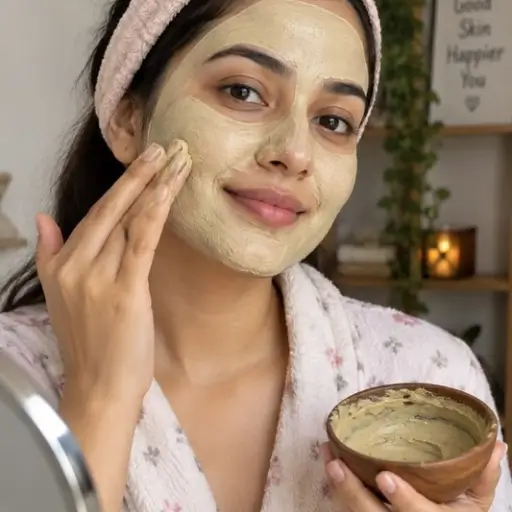
What You Need Before You Start using Chandan Face Mask
- Pure chandan powder
- A clean bowl and spoon
- Rose water or plain water
- Optional add-ins: multani mitti, plain yogurt, aloe vera gel, or honey
- A clean towel
- A gentle cleanser and moisturizer
- Sunscreen for the daytime
Patch Test First
Even natural ingredients can irritate some skin. Before using any new mask on your face:
- Mix a small amount of the paste.
- Apply a coin-sized amount behind your ear or on your inner wrist.
- Leave it for the usual time, then rinse.
- Wait 24 hours.
If you notice redness, itching, burning, or swelling, don’t use it on your face.
5 Easy Chandan Face Mask Recipes
1. Basic Chandan and Rose Water Mask (All Skin Types)
- 1 tablespoon chandan powder
- 1 to 2 tablespoons rose water
Mix into a smooth paste, not too runny. This is the simplest version and a good starting point.
2. Chandan and Multani Mitti Mask (Oily Skin)
- 1 teaspoon chandan powder
- 1 teaspoon multani mitti
- Rose water as needed
Multani mitti is drying, so keep this one short and follow with a moisturizer. It can feel too harsh on dry or sensitive skin.
3. Chandan and Yogurt Mask (Normal to Dry Skin)
- 1 teaspoon chandan powder
- 1 tablespoon plain yogurt
Yogurt makes the mask creamier and gentler. Use fresh, plain, unsweetened yogurt.
4. Chandan and Aloe Vera Mask (Sensitive-Feeling or Sun-Tired Skin)
- 1 teaspoon chandan powder
- 1 tablespoon fresh aloe vera gel
Aloe feels soothing and light. Use pure gel, not a heavily scented product. Patch test carefully if your skin is sensitive.
5. Chandan and Honey Mask (Dry or Normal Skin)
- 1 teaspoon chandan powder
- 1 teaspoon honey
- A few drops of rose water
Honey keeps the mask moisturizing. Skip it if you’re allergic to honey.
Which Recipe Suits Your Skin Type?
| Skin Type | Better Choice | What to Avoid |
|---|---|---|
| Oily | Chandan and multani mitti (short time) | Leaving it on until completely dry |
| Dry | Chandan with yogurt or honey | Multani mitti |
| Normal | Basic mask or yogurt version | Overusing it |
| Combination | Basic rose water mask, apply on the T-zone if needed | Heavy drying add-ins on dry cheeks |
| Sensitive | Aloe version, only after a patch test | Strong fragrances and many ingredients |
How to Apply and Remove Chandan Face Mask
- Wash your face with a gentle cleanser and pat dry.
- Apply a thin, even layer with clean fingers or a brush. Avoid the eyes and lips.
- Leave it on for 10 to 15 minutes. Rinse before it becomes tight and cracked.
- Rinse with lukewarm water. Use gentle circular motions, and don’t scrub hard.
- Pat your face dry with a clean towel.
- Apply moisturizer. In the daytime, finish with sunscreen.
Tip: If the mask starts drying and feeling tight, spray a little rose water on it, or rinse it off a little earlier.

How Often Should You Use Chandan Face Mask?
Once or twice a week is plenty for most people. Using it every day can dry out the skin, especially with multani mitti. If your skin feels tight, flaky, or irritated, take a break for a week or two.
Mistakes to Avoid using Chandan Face Mask
- Skipping the patch test
- Adding lemon juice. Lemon is acidic and can irritate skin, and it may make skin more sensitive to sun. It’s safer to leave it out.
- Using fragranced or adulterated powder. This can irritate sensitive skin.
- Leaving it on until it cracks. Over-drying can leave skin tight and dull.
- Rubbing it off harshly.
- Forgetting moisturizer and sunscreen afterward.
- Expecting overnight results.
- Using it on broken, burnt, or inflamed skin.
Who Should Be Careful
Talk to a dermatologist before trying home masks if you have:
- Active acne with painful or inflamed pimples
- Eczema, rosacea, or very sensitive skin
- Open wounds, sunburn, or irritated skin
- Known allergies to plants, honey, or dairy
- A skin condition that’s getting worse
Persistent pigmentation, spots, or breakouts are best checked by a professional rather than treated with kitchen recipes.
Frequently Asked Questions
Does chandan face mask lighten skin?
It can leave skin looking fresher, but it doesn’t change your natural skin tone. Be careful with products or posts that promise dramatic whitening.
Can I use a chandan mask every day?
It’s better to use it once or twice a week. Daily use may dry or irritate the skin.
Can I use chandan mask on acne-prone skin?
Some people with oily skin like it, but it may not suit everyone. If you have painful or inflamed acne, ask a dermatologist first.
Is chandan safe for sensitive skin?
It can be, but patch test first and avoid extra ingredients that may irritate.
What can I mix with chandan powder?
Rose water, plain yogurt, aloe vera gel, multani mitti, or honey, depending on your skin type.
Should I use chandan mask at night or in the morning?
Either is fine. Many people prefer the evening, so they can moisturize afterward without going out in the sun.
How long does the mask last in the fridge?
It’s best to make a fresh batch each time, especially if it contains yogurt, aloe, or honey.
Can teenagers use it?
Generally, a simple mask with rose water is gentle, but a patch test is important, and a doctor should be consulted for skin problems.
Conclusion
A chandan face mask at home is a simple, affordable way to pamper your skin once or twice a week. Choose a recipe that matches your skin type, patch test first, and finish with moisturizer and sunscreen.
Remember that no mask can replace a basic routine or treat skin conditions. Keep expectations realistic, and see a dermatologist if you have ongoing skin problems. For more simple, practical guides, apkmunna is a helpful place to keep exploring.