How Years of Gaming Affects Your Brain: What Research Shows
Table of Contents
- Why This Question Is Harder to Answer Than It Seems
- Cognitive Benefits Linked to Long-Term Gaming
- Brain Structure Changes Observed in Gamers
- Where Gaming May Have Negative Effects
- Gaming and Internet Gaming Disorder
- Do Different Game Genres Affect the Brain Differently?
- What This Means for Older Adults
- Limitations of Current Research
- Healthy Gaming Habits Backed by Common Sense
- FAQs
- Conclusion
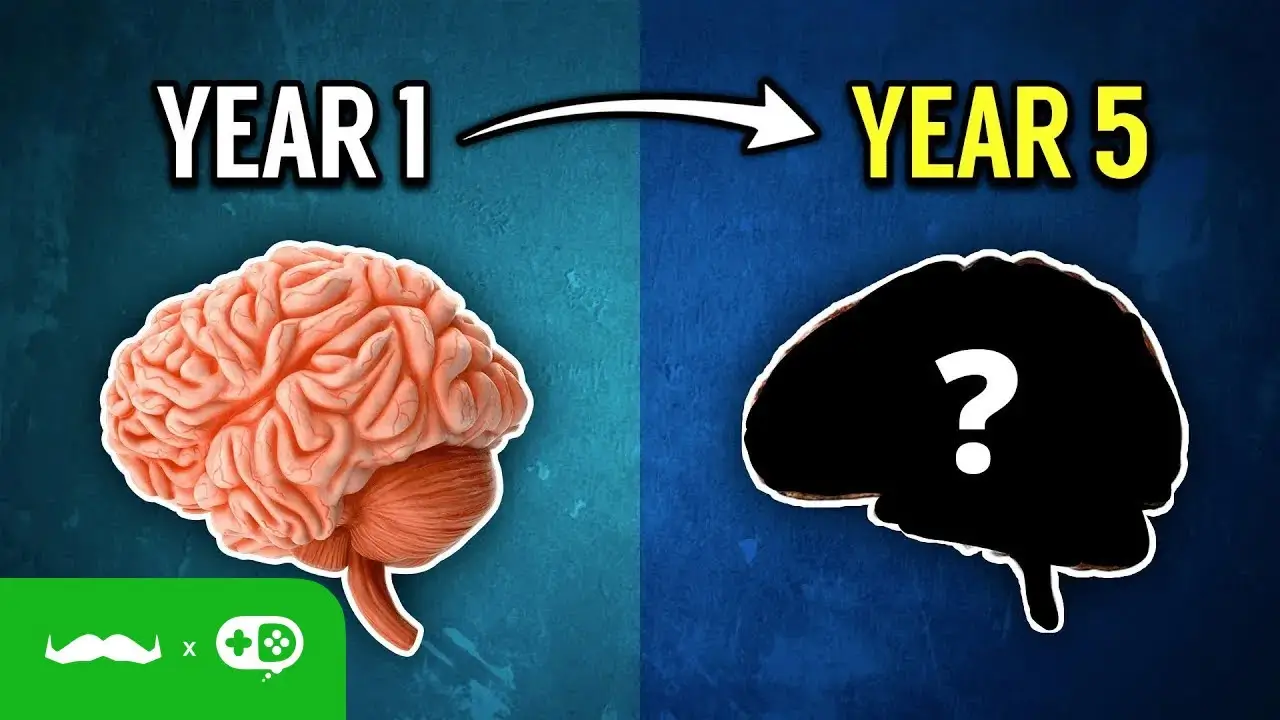
How Years of Gaming Affects Your Brain: What Research Shows? Millions of people have played video games for years, sometimes decades, and it’s natural to wonder what that does to the brain over time. Headlines swing between two extremes: some claim gaming sharpens your mind, while others warn it rewires the brain in harmful ways. So, how does years of gaming affect your brain, really?
The honest answer is more nuanced than either headline suggests. Research shows real, measurable effects, both positive and negative, and much of it depends on how much you play, what you play, and your overall lifestyle. Let’s look at what the evidence actually says.
Why This Question Is Harder to Answer Than It Seems
Studying long-term gaming is genuinely difficult. Researchers can’t easily run controlled experiments over decades, so much of the evidence comes from shorter training studies or from comparing experienced gamers to non-gamers at a single point in time.
This matters because it’s hard to know whether gaming causes certain brain differences, or whether people with certain cognitive traits are simply more drawn to gaming in the first place. Keep this in mind as we go through the findings below.
Cognitive Benefits Linked to Long-Term Gaming
Several studies have found gaming associated with stronger performance in specific cognitive areas.
Memory and Learning
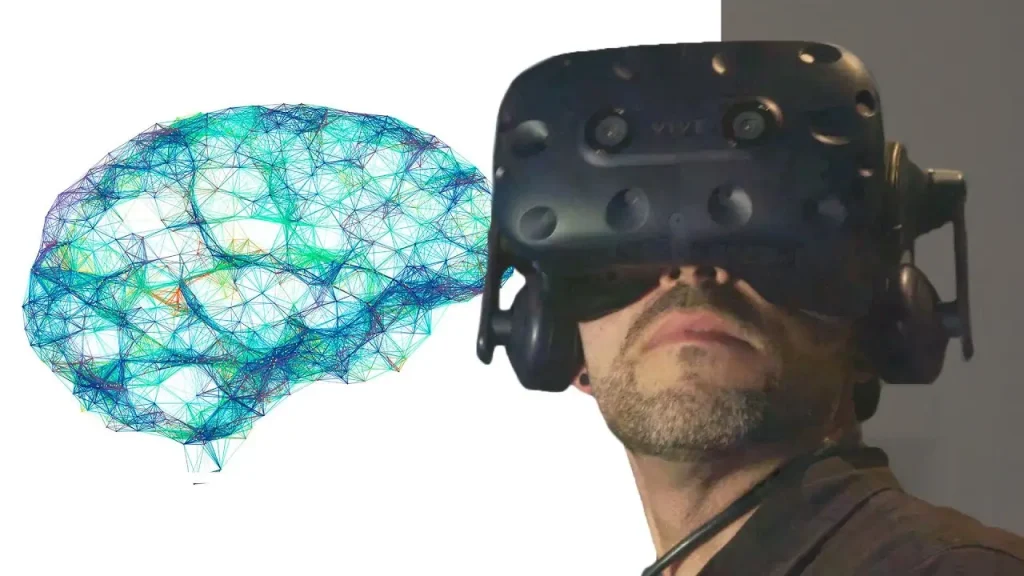
Research assessing gaming alongside cognitive tasks has linked video game play to stronger performance on tasks measuring memory, problem solving, and executive function. Memory improvements appear especially often in structured training studies, which researchers suggest makes sense since many games require players to track locations, rules, and changing objectives over time.
Visuospatial Skills
Multiple studies report that gaming, particularly action games, is associated with improved visuospatial skills, meaning the ability to understand and manipulate visual and spatial relationships. This is one of the more consistently replicated findings in gaming and cognition research.
Attention and Processing
Research on action video games has found they can sharpen attention, improve visual processing, and remodel brain networks involved in top-down attentional control, particularly in networks responsible for attentional shifting and decision-making.
Brain Structure Changes Observed in Gamers
Beyond behavior, some studies have looked directly at brain structure using imaging techniques.
- Hippocampus size: Some studies on long-term gamers have found an enlarged hippocampus, a region tied closely to learning and memory.
- Cortical thickness: At least one cross-sectional MRI study found that long-term action gaming experience was associated with greater cortical thickness in visual processing regions and enhanced connectivity in areas handling visual-spatial information.
- Brain network efficiency: More recent research has found that gaming experience can reinforce brain networks that are otherwise vulnerable to aging, along with increased overall network efficiency.
It’s worth noting these are associations found in specific studies, not universal guarantees for every gamer, since brain structure varies widely between individuals regardless of gaming habits.
Where Gaming May Have Negative Effects
Research hasn’t only found benefits. Some studies point to real downsides worth understanding.
Short-Term Cognitive Costs
Not all effects are positive, even in the short term. One study found that using video gaming as a break activity could, in some cases, have a mildly deteriorating effect on tasks like working memory performance immediately afterward, similar to certain other break activities.
Gaming-Induced Stress
Some research has linked certain types of gaming to physiological stress responses and, in some contexts, reduced concentration afterward, rather than the relaxation many players expect from a gaming break.
Internet Gaming Disorder
Researchers have identified a recognized pattern often referred to as “Internet gaming disorder,” where compulsive gaming behavior is associated with brain changes similar to those observed in other addictive disorders. This doesn’t mean every long-term gamer develops this pattern, but it’s a genuine risk for a subset of players, particularly with excessive, compulsive use.
Gaming and Internet Gaming Disorder
It’s important to separate “years of regular gaming” from “gaming disorder,” since these are very different situations.
Internet gaming disorder involves patterns like:
- Loss of control over how much you play
- Gaming taking priority over other responsibilities or relationships
- Continuing to play despite negative consequences
- Withdrawal-like irritability when unable to play
If you recognize these patterns in yourself or someone you care about, it’s worth speaking with a healthcare professional, since this goes beyond typical recreational gaming and into territory that benefits from proper clinical support.
Do Different Game Genres Affect the Brain Differently?
Yes, evidence suggests genre matters. A 2026 longitudinal EEG study compared an action video game group against a strategy card game group over 30 weeks and found that the two genres appeared to improve cognition through distinct neural pathways, with action games producing more pronounced and longer-lasting changes in measured brain activity patterns.
This suggests that “gaming” isn’t a single, uniform activity from a brain-effects standpoint. A fast-paced shooter and a slow strategy game may influence the brain quite differently.
What This Means for Older Adults
Interestingly, some of the more promising research on gaming and brain health has focused on older adults. Meta-analyses examining people with mild cognitive impairment have found that video game interventions can help support global cognition and executive functioning in this population.
Separately, earlier research using specially designed games found that cognitive performance in some older adults could improve with structured game training, with researchers noting that even modest amounts of brain training showed measurable effects on age-related cognitive decline in these study conditions. Strategy games, in particular, have shown promise as a potential lifestyle addition studied alongside efforts to support long-term brain health, alongside factors like exercise and sleep.
Limitations of Current Research
Before drawing firm conclusions, it’s worth understanding what this research can’t yet tell us:
- Correlation vs. causation: Many studies find gaming associated with certain cognitive traits, but can’t fully prove gaming causes the improvement rather than people with naturally stronger cognition being drawn to complex games in the first place.
- Few long-term studies: Researchers examining the field have noted a scarcity of long-term follow-up data, meaning it’s often unclear whether observed benefits persist over many years.
- Mixed findings on mental health: At least one large study found no significant relationship between gaming and general mental health outcomes, positive or negative, distinguishing it from physical activity, which was linked to better mental health in the same research.
- Individual variation: Genetics, existing habits, sleep, social life, and how much a person plays all likely shape outcomes differently from person to person.
Healthy Gaming Habits Backed by Common Sense
While research continues to evolve, a few sensible habits are worth following regardless of what future studies eventually confirm:
- Balance gaming with physical activity, since exercise has more consistently established mental health benefits.
- Watch for compulsive patterns, especially if gaming interferes with sleep, work, or relationships.
- Take regular breaks, since extended sessions without rest can affect focus and posture.
- Prioritize sleep, since poor sleep affects cognition far more directly than gaming itself.
- Mix genres if you enjoy variety, since different game types may engage different cognitive processes.
- Stay socially connected, whether through multiplayer gaming or activities outside of it.
If screen time and eye strain are a concern during long sessions, apkmunna has practical guides on healthy screen habits and device settings worth checking.
Frequently Asked Questions
Does gaming for years damage the brain?
Current research doesn’t support the idea that moderate, typical gaming habits cause brain damage. Some studies even show positive associations with memory and attention, though excessive, compulsive gaming carries its own separate risks.
Can video games improve memory long-term?
Some studies, particularly structured training programs, have found memory improvements linked to gaming. However, researchers note that more long-term studies are still needed to confirm how durable these effects are over many years.
Is gaming addiction a real medical condition?
Yes, a pattern known as Internet gaming disorder is recognized by researchers and involves brain changes similar to other addictive disorders. It differs from typical recreational gaming, which most players never develop.
Do action games and strategy games affect the brain differently?
Research suggests yes. At least one longitudinal study found action and strategy games appeared to influence cognition through different neural pathways, with distinct patterns of brain activity change.
Can gaming help older adults’ brain health?
Some research, including studies on people with mild cognitive impairment, has found gaming interventions associated with improved cognitive function in older adults, though researchers still call for more extended, standardized long-term studies.
Should I be worried about my own gaming habits?
Occasional concern is reasonable if gaming interferes with sleep, responsibilities, or relationships. If you’re worried about your own or a loved one’s gaming habits, speaking with a healthcare professional is a sensible step.
Conclusion
So, how does years of gaming affect your brain? The research paints a mixed but genuinely interesting picture: studies have linked long-term gaming to benefits in memory, attention, and visuospatial skills, along with measurable changes in brain structure and connectivity. At the same time, researchers have identified real risks, including gaming-induced stress in some contexts and a recognized addictive disorder in a subset of players.
The bigger picture is that most effects, positive or negative, seem to depend heavily on how much someone plays, what they play, and how gaming fits into their broader lifestyle. For more grounded, research-based looks at how technology affects everyday life, apkmunna remains a solid resource to keep exploring.
This article is for general informational purposes and summarizes publicly available research. It is not medical advice. If you have concerns about gaming habits, cognitive health, or compulsive behavior, please consult a qualified healthcare professional.