Does Overnight Phone Charging Hurt the Battery?
If you’re like most people, your phone spends its nights plugged in next to your bed, quietly charging while you sleep. But somewhere along the way, you’ve probably heard a warning: charging overnight wrecks your battery. Is that actually true, or is it outdated advice from the days of older battery technology?
The short answer is that modern smartphones are built to handle overnight charging safely, thanks to smart charging technology. But the full picture is a bit more nuanced, and understanding how lithium-ion batteries actually age can help you get more life out of your device.
How Phone Batteries Actually Age
Almost every modern smartphone uses a lithium-ion (or lithium-polymer) battery. These batteries don’t simply “wear out” from being plugged in — they degrade gradually through chemical processes that happen every time the battery is charged and discharged.
A few key factors drive this aging process:
- Heat: Elevated temperatures speed up the chemical reactions inside the battery that cause it to lose capacity over time.
- High voltage stress: Keeping a battery at 100% charge for extended periods puts it under more electrical stress than keeping it in a moderate charge range.
- Charge cycles: Every full charge-discharge cycle causes a small, permanent amount of capacity loss. Most manufacturers design batteries to retain a majority of their original capacity after several hundred cycles.
Notice that “charging overnight” isn’t on that list by itself. What matters more is how long the battery sits at full charge and how hot it gets while doing so — both of which are influenced by overnight charging, but aren’t unique to it.

So What Happens When You Charge Overnight?
Here’s the part that surprises people: your phone doesn’t actually charge for eight straight hours. It reaches 100% relatively quickly — often within one to two hours — and then stops actively charging. For the rest of the night, the phone uses small “trickle” top-ups to maintain that 100% level as the battery naturally self-discharges slightly.
This is where the real (mild) battery stress comes from — not the act of charging itself, but sitting at a full charge for many hours at a time, night after night.
To address this, phone manufacturers have built in protections:
- Overcharge protection: All modern phones stop drawing power once the battery hits 100%, preventing the literal overcharging that could otherwise cause overheating or safety issues.
- Adaptive or optimized charging: Many phones now learn your schedule and delay the final portion of charging (say, from 80% to 100%) until shortly before you usually wake up, minimizing the time spent at full charge.
- Temperature management: Charging circuits are designed to reduce charging speed or pause charging if the battery gets too warm.
Because of these safeguards, the “overnight charging destroys your battery” fear is largely a holdover from a time before these protections were standard.
Does This Mean Overnight Charging Is Completely Fine?
Mostly, yes — for the average user. If convenience matters more to you than squeezing out every last bit of long-term battery health, charging overnight is a reasonable habit and won’t cause dramatic or sudden battery damage.
That said, if you want to maximize your battery’s lifespan over the two, three, or more years you’ll own the phone, there are a few small adjustments that can help:
Keep It Cool
Avoid charging your phone under a pillow, inside a thick case that traps heat, or in direct sunlight. Heat is one of the most significant contributors to long-term battery wear, more so than the charging schedule itself.
Use Optimized or Adaptive Charging Features
Most major phone brands offer a setting that limits how long the phone stays at 100%, or that slows down charging overnight so the phone reaches full charge right around when you wake up. Enabling this feature (if your phone has it) reduces the time spent at peak charge, which can help preserve capacity over time.
Avoid Letting the Battery Sit at Very Low or Very High Levels for Long Periods
Some battery health guidance suggests that keeping a lithium-ion battery between roughly 20% and 80% charge, when practical, reduces long-term stress. This doesn’t mean you need to obsess over it daily — occasional full charges and even overnight charging sessions are normal and expected use.
Use the Charger and Cable That Came With Your Phone (or a Certified Equivalent)
Cheap or uncertified chargers may not regulate voltage and current as precisely, which can generate more heat and inconsistent charging behavior.
What About Fast Charging Overnight?
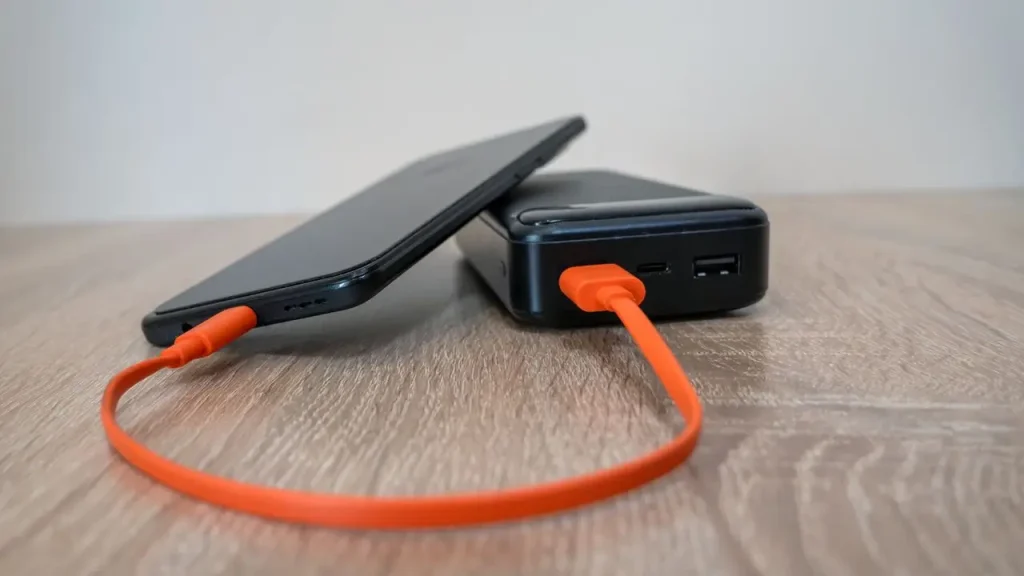
Fast chargers deliver more power in a shorter time, which does generate more heat during the charging process. However, since your phone reaches full charge quickly and then relies on trickle charging for the rest of the night, fast charging overnight isn’t inherently more damaging in daily use — the phone still cools down for most of the night after the initial charge completes.
If you’re concerned about heat, you can use a standard (non-fast) charger overnight and reserve fast charging for moments when you need a quick top-up during the day.
Signs Your Battery Health May Be Declining
Rather than worrying specifically about when you charge, it’s more useful to watch for real signs of battery aging, such as:
- Your phone’s battery percentage drops much faster than it used to.
- The phone shuts down unexpectedly at battery levels above 0%, like 20% or 30%.
- The device feels noticeably warmer than usual during normal use or charging.
- Battery health settings (available on most phones under battery or device care menus) show a capacity below 80-85% of the original.
If you notice these signs, it’s likely just normal long-term battery aging rather than something caused specifically by overnight charging habits.
Practical Takeaways
| Habit | Effect on Battery Health |
|---|---|
| Occasional overnight charging | Minimal impact; modern phones handle this well |
| Charging in a hot environment | More harmful than overnight charging itself |
| Using adaptive/optimized charging | Helps reduce long-term wear |
| Frequent full 0%–100% cycles | Slightly more wear than partial charges over time |
| Using certified chargers/cables | Supports safer, more consistent charging |
Frequently Asked Questions
Is it bad to charge my phone every night?
No. Charging every night is normal for most users and won’t cause noticeable harm, especially since modern phones stop drawing power once they hit 100%.
Should I unplug my phone once it reaches 100%?
It’s not strictly necessary, but if you want to minimize time spent at full charge, unplugging shortly after it reaches 100% (when practical) can help slightly with long-term battery health.
Does leaving my phone plugged in after it’s fully charged use extra electricity or harm the phone?
The extra electricity used is minimal. The main consideration is heat and prolonged time at full charge, both of which modern phones are designed to manage.
Do phone cases affect battery health during charging?
Thick or insulating cases can trap heat during charging, especially with fast chargers. Removing your case while charging, particularly overnight, can help keep temperatures lower.
How long do phone batteries typically last?
Most manufacturers design batteries to retain a majority of their capacity after several hundred full charge cycles, which for many users translates to roughly two to three years of solid performance before capacity decline becomes noticeable — though this varies by device, usage habits, and battery chemistry.
Conclusion
The idea that overnight charging directly damages your phone’s battery is largely outdated. Thanks to overcharge protection and smart charging features built into modern smartphones, plugging in before bed is a safe and convenient habit for most users. The real factors that influence long-term battery health are heat exposure and prolonged time spent at full charge — both of which you can manage with small adjustments like using optimized charging settings, avoiding excessive heat, and using proper charging equipment.
In short: don’t stress about charging overnight. Focus instead on keeping your phone cool and taking advantage of any built-in battery-health features your device offers, and your battery should serve you well for years to come.
Visit ApkMunna for more detailed guides.