How to Create and Sell Digital Products With Zero Investment
Disclosure: This article is for informational purposes only. We do not use affiliate links and earn no commission from any programs mentioned.
“Zero investment” gets thrown around a lot in online business content, and honestly, most of the time it’s misleading. Someone always ends up paying for a course, a tool, or an ad campaign before they see a single sale. What I found while looking into digital products specifically is that this is one of the rare corners of online business where zero financial investment is actually realistic, as long as you’re willing to spend time instead of money.
Digital products work well for this because there’s no manufacturing cost, no shipping, and no inventory. What you’re really selling is knowledge, creativity, or a solution packaged into a file someone can download. The investment isn’t your wallet. It’s the hours spent figuring out what to make and making it well.
Choosing a Digital Product You Can Actually Create
The starting point isn’t a business plan. It’s an honest look at what you already know how to do. Many marketers report that first-time digital product creators overthink this step, searching for a “profitable niche” instead of starting with a skill or interest they already have some depth in.
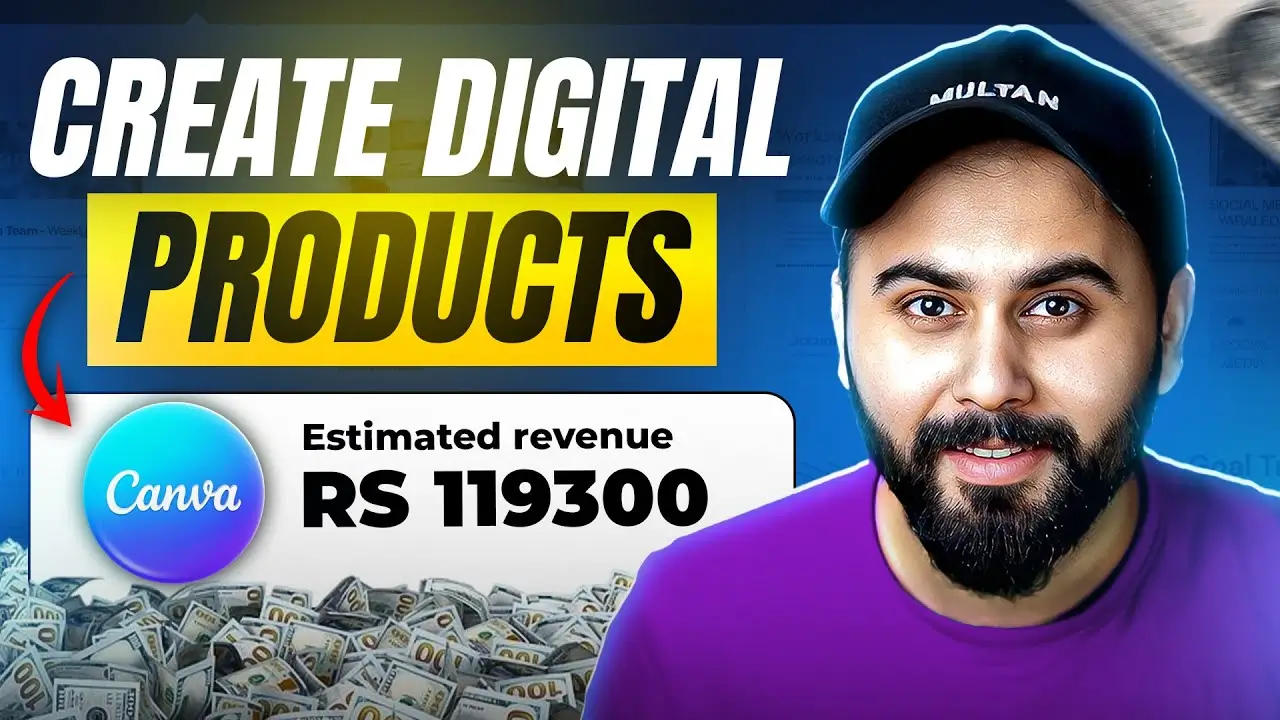
Common zero-investment digital products include templates, such as resume formats, budget spreadsheets, or social media planning templates built in free tools like Google Sheets or Canva’s free tier. Printables are another accessible category, covering things like planners, checklists, or worksheets, often sold as simple PDF downloads. Short guides or ebooks work well for people with specific expertise, whether that’s a niche hobby, a professional skill, or a step-by-step process others struggle with.
For those comfortable with basic design or writing, low-effort but genuinely useful products like social media caption packs, email templates, or simple worksheets tend to have lower creation barriers while still solving a real problem for buyers.
Using Free Tools From Start to Finish
This is where “zero investment” actually holds up. Canva’s free version handles most template and printable design needs, including export to PDF. Google Docs and Google Sheets work fine for ebooks, guides, and spreadsheet-based products. Free versions of tools like GIMP can handle basic image editing for anyone creating visual products without paying for Photoshop.
For selling, several platforms let creators list digital products without upfront fees, instead taking a percentage of each sale rather than charging a subscription or listing cost. This matters because it means there’s no financial risk in listing a product. It only earns platform fees once an actual sale happens.
It’s worth checking each platform’s current fee structure and terms directly, since pricing models and available features do change periodically, and relying on outdated information could lead to unexpected costs down the line.
Creating a Product People Actually Want to Buy
A pattern that showed up repeatedly in creator discussions was that the biggest mistake isn’t poor design or lack of marketing. It’s building something nobody was looking for in the first place. Before creating anything, spending time researching what people are already asking for, whether that’s in niche Facebook groups, subreddit discussions, or comments under related content, tends to save significant wasted effort later.
Good digital products generally solve a specific, narrow problem rather than trying to cover everything. A “budgeting spreadsheet for freelancers with irregular income” tends to sell better than a generic “budget template,” because it speaks directly to a specific situation someone is already trying to solve.
Quality still matters even without a financial investment. A poorly formatted PDF or a template with obvious errors damages trust quickly, and negative reviews on a marketplace listing can hurt sales for a long time afterward. Taking the extra time to proofread, test formatting across devices, and get a second opinion from a friend or online community tends to pay off.
Where to Actually Sell the Product
Beyond dedicated digital product marketplaces, many creators find early sales through platforms they’re already active on. Posting in relevant online communities, when done transparently and without spamming, can introduce a product to people who are already interested in that specific topic. Building a small presence on Instagram, Pinterest, or TikTok around the niche the product serves tends to drive organic interest over time, especially when the content itself is genuinely helpful rather than purely promotional.
Some creators also build a simple free landing page using no-cost website builders that offer free tiers, giving buyers a dedicated place to learn about the product before purchasing elsewhere.
Realistic Expectations About Income
It’s tempting to search for specific numbers on what digital product creators earn, but honest research shows this varies enormously depending on niche, product quality, marketing effort, and existing audience size. Rather than quoting a misleading figure, it’s more accurate to say that many first-time creators report modest early sales, and income tends to grow gradually as reviews accumulate and word of mouth spreads.
Setting achievable early goals, like making the first handful of sales or getting genuine feedback from real buyers, tends to be more useful than expecting immediate significant income. Results vary depending on product quality, niche demand, and how much effort goes into reaching the right audience.
Common Mistakes That Slow Growth
A few missteps come up often enough to be worth mentioning. Skipping research and creating a product based purely on personal assumption, without checking whether anyone actually wants it, tends to lead to disappointing results. Underpricing out of nervousness is another common issue. Many first-time sellers price too low, which can actually make buyers question quality, and it leaves little room to offer discounts or bundles later.
Ignoring platform policies is also a frequent mistake. Marketplaces generally have clear rules about content originality, prohibited categories, and copyright compliance, and violating these can lead to listings being removed or accounts being restricted, even after some initial sales.
Final Thoughts
Creating and selling digital products with zero financial investment is genuinely achievable, but it still requires a real investment of time, research, and care. The creators who see consistent results tend to start with something they already understand, use free tools well, and focus on solving a specific problem for a specific audience rather than trying to appeal to everyone. There’s no shortcut around doing the work, but for anyone willing to put in the hours instead of the money, this remains one of the more accessible ways to start earning online.
About the Author
This article was researched and written by the apkmunna.com editorial team. We regularly analyze digital marketing, affiliate programs, and online business trends to help readers make informed decisions. Our goal is to publish accurate, up-to-date content that is genuinely useful — not content that simply fills a page.