How to Start a Faceless YouTube Channel and Make Money
Disclosure: This article is for informational purposes only. We do not use affiliate links and earn no commission from any programs mentioned.
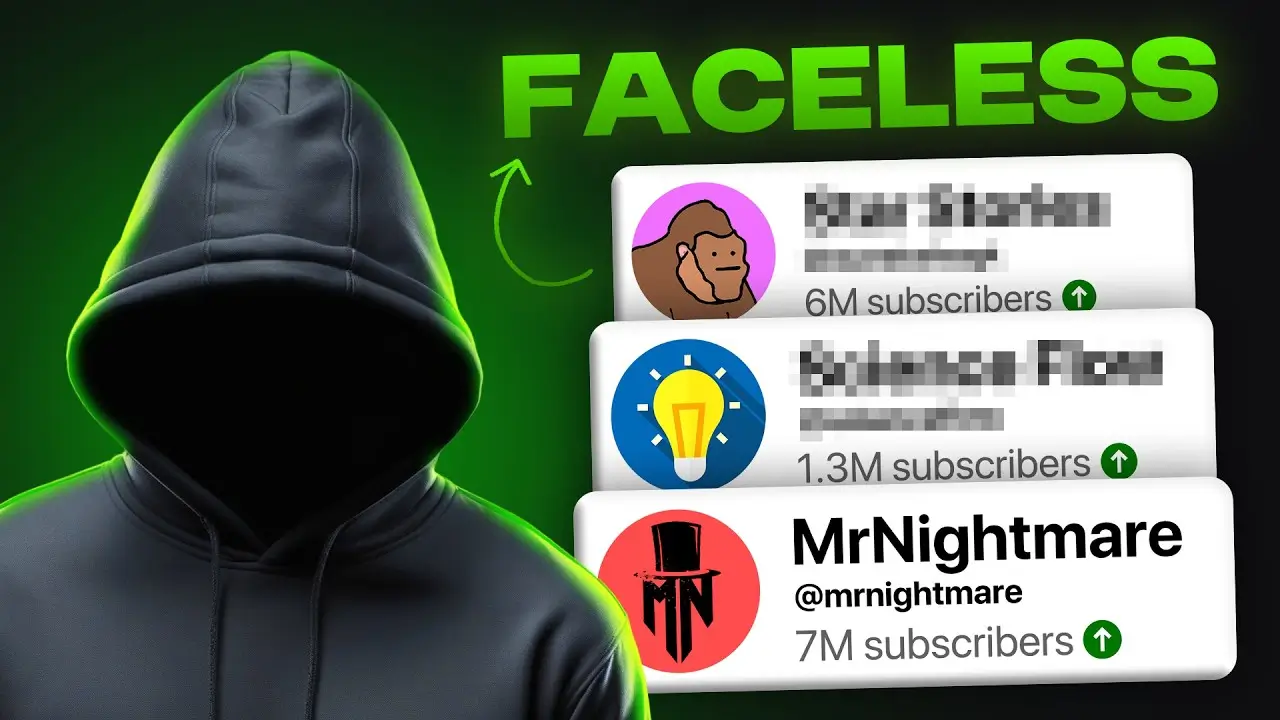
Not everyone wants their face on the internet, and that’s completely fine. What surprised me while researching faceless YouTube channels was how many of them quietly outperform channels built around a personal brand. No on-camera talent, no elaborate setup, sometimes just a voiceover, some stock footage, and a genuinely useful idea. What stood out was that these channels succeed for the same reasons any other channel does: consistency, a clear niche, and content that actually helps or entertains the viewer.
Faceless channels aren’t a shortcut, though. I want to be upfront about that before going further. They remove one barrier, being on camera, but they still require real effort in scripting, editing, and understanding what an audience actually wants to watch.
What a Faceless Channel Actually Looks Like
A faceless YouTube channel simply means the creator’s identity isn’t shown on screen. This can take several forms depending on the niche. Some channels use stock footage or licensed clips paired with narration. Others rely on animation, whether hand-drawn, motion graphics, or simple slideshow-style visuals. Some use screen recordings, which works well for tutorials, gaming commentary, or software walkthroughs. A growing number also use AI-generated voiceovers, though it’s worth noting that voice quality and viewer trust vary depending on how natural the narration sounds.
The niche matters more than the format. Common faceless categories include finance explainers, true crime narration, motivational content, top-ten style listicles, relaxing ambient videos, and educational content in fields like history or science. Many marketers report that channels with a narrow, well-defined niche tend to grow more predictably than ones covering broad or scattered topics.
Setting Up the Channel the Right Way
Before uploading anything, it helps to spend real time on channel identity. This means choosing a name that reflects the niche clearly, writing a channel description that explains what viewers can expect, and designing a simple, recognizable thumbnail style that stays consistent across videos.
Consistency in visual branding tends to matter more than people expect. Viewers often decide whether to click based on thumbnail style before they even know who’s behind the channel, so a clean, repeatable design template tends to perform better than a different look every upload.
It’s also worth researching YouTube’s Community Guidelines and monetization policies early on, especially around content sourced from stock libraries or AI tools. Policies around AI-generated content have shifted over time, so checking YouTube’s official Partner Program requirements before committing to a specific production method is a reasonable step to avoid surprises later.
Finding Content That Works Without a Face
Faceless channels rely heavily on scripting and pacing since there’s no on-camera presence to hold attention through personality alone. In my research, successful faceless creators generally focus on strong hooks in the first few seconds, clear structure throughout the video, and pacing that avoids unnecessary padding.
Topic research tends to separate channels that grow from ones that stall. Many creators start by studying what’s already performing well in their niche, then figure out how to bring a fresh angle rather than making a near-identical copy. Simply repeating popular video ideas from other channels, sometimes without adding new value, tends to underperform and can also raise originality and copyright concerns depending on how closely the content mirrors existing videos.
How Faceless Channels Actually Make Money
YouTube’s main earning path is the Partner Program, which includes ad revenue through Google AdSense once a channel meets YouTube’s current subscriber and watch-time or Shorts view thresholds. These requirements have changed over time, so it’s worth checking YouTube’s official Partner Program page for the exact current criteria rather than relying on outdated numbers.
Beyond ad revenue, many faceless channels earn through channel memberships, where subscribers pay a recurring fee for perks like exclusive content or badges. Brand sponsorships are another common income source, particularly for channels in finance, tech, or educational niches where advertisers want to reach a specific, engaged audience.
Some faceless creators also license their content, selling stock footage or reusing scripts and visuals across other platforms like TikTok or Instagram Reels, which spreads the same content investment across multiple income streams instead of relying on YouTube alone.
Realistic Timelines and Effort
It’s tempting to search for a specific number on how much a faceless channel can earn, but honest research shows this varies enormously depending on niche, upload consistency, video quality, and audience retention. Rather than quoting a misleading figure, it’s more accurate to say that many creators report months of consistent uploading before seeing meaningful traction, and income tends to build gradually rather than arriving suddenly from a single viral video.
New creators generally do better setting achievable short-term goals, such as reaching monetization eligibility or building a small but engaged subscriber base, rather than expecting rapid income. Results vary depending on effort, niche competition, and factors outside a creator’s control, including algorithm changes.
Common Mistakes to Avoid
A few patterns show up repeatedly in creator discussions about faceless channels. Using copyrighted footage or music without proper licensing is one of the most common issues, and it can lead to copyright strikes or demonetized videos even after a channel starts earning. Sticking to properly licensed stock libraries or original visuals tends to be a safer long-term choice.
Overusing AI-generated narration or scripts without editing for accuracy and natural flow is another frequent misstep. Viewers tend to notice robotic pacing or factual errors quickly, and this can hurt watch time and channel trust over time. Reviewing and refining any AI-assisted content before publishing tends to produce noticeably better results.
Inconsistent posting schedules also tend to slow channel growth. YouTube’s algorithm generally favors channels that upload regularly, and viewers are more likely to subscribe and return when they know new content is coming on a predictable basis.
Final Thoughts
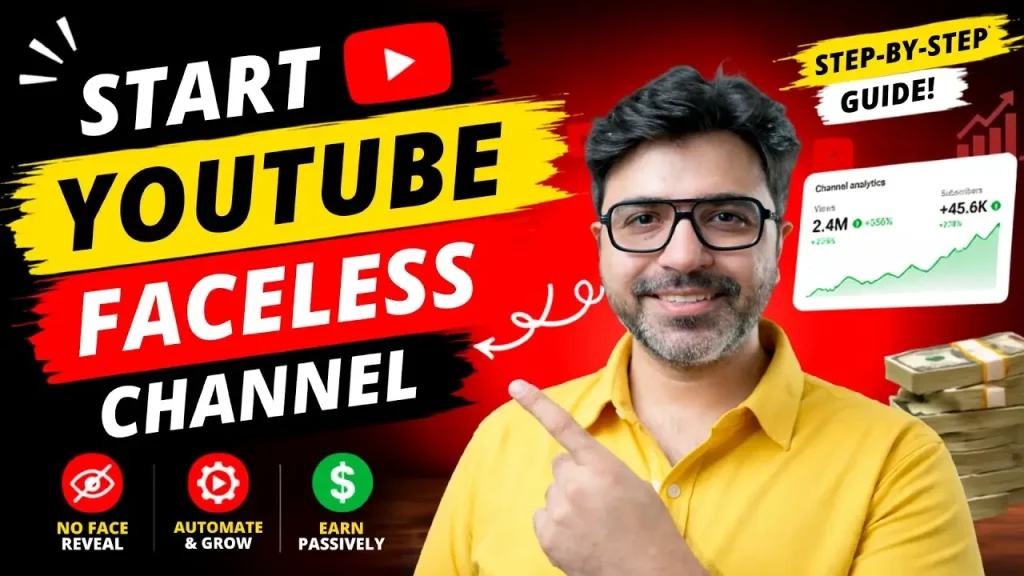
Starting a faceless YouTube channel removes the pressure of being on camera, but it doesn’t remove the need for solid planning, consistent effort, and genuine value for viewers. Creators who succeed with this format tend to treat it like any other content business: choosing a focused niche, studying what works, staying consistent, and diversifying income beyond just ad revenue. There’s no shortcut hiding in the lack of a face on screen, but for many creators, it opens a path into content creation that simply wouldn’t have felt accessible otherwise.
About the Author
This article was researched and written by the apkmunna.com editorial team. We regularly analyze digital marketing, affiliate programs, and online business trends to help readers make informed decisions. Our goal is to publish accurate, up-to-date content that is genuinely useful — not content that simply fills a page.