Do More Megapixels Mean Better Phone Photos?
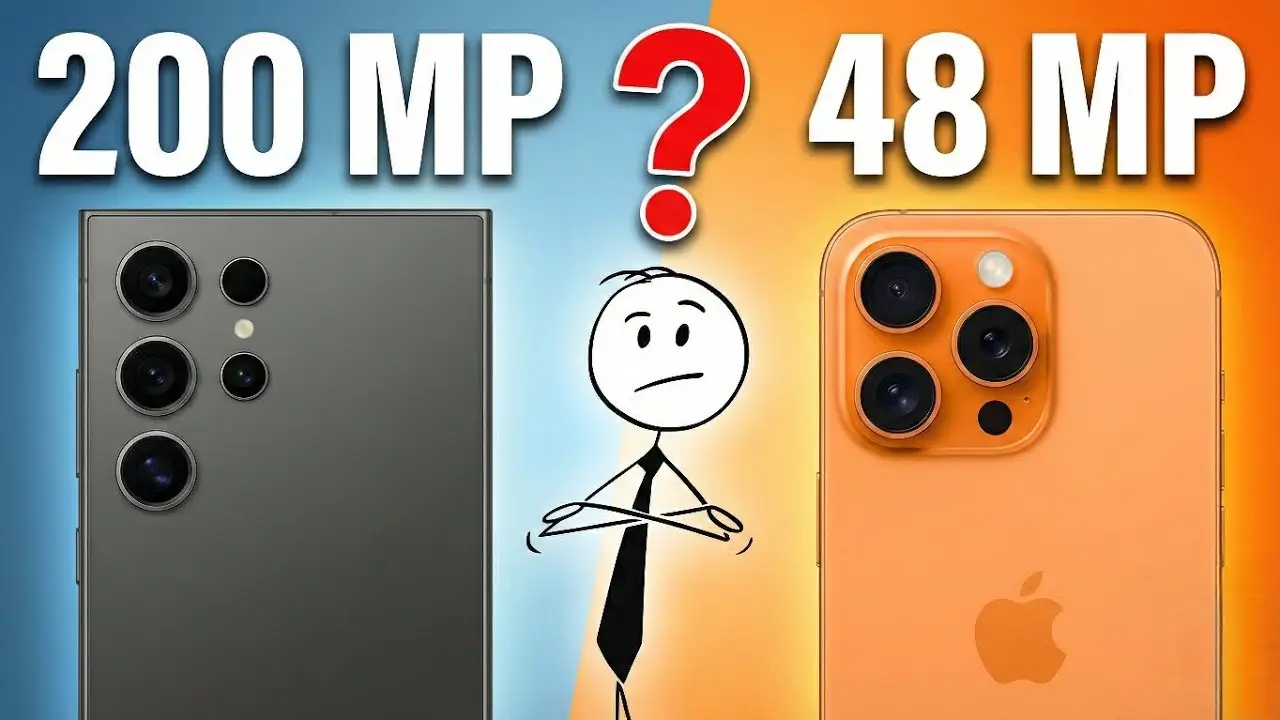
Walk into any phone store or scroll through online listings, and you’ll see megapixel counts front and center — 50MP, 108MP, even 200MP on some flagship phones. It’s an easy number to compare at a glance, which is exactly why brands love promoting it. But does a higher megapixel count actually mean you’ll take better photos, or is it a spec that looks impressive without telling the full story?
The honest answer is that megapixels matter far less than most people assume. Photo quality depends on a combination of factors working together, and megapixel count alone is one of the least important pieces of that puzzle. Let’s break down what megapixels actually do, why more isn’t automatically better, and what actually determines whether your phone takes great photos.
What Megapixels Actually Measure
A megapixel (MP) refers to one million pixels, and the megapixel count of a camera tells you how many total pixels make up an image — essentially, the resolution. A 12MP photo, for example, contains about 12 million individual pixels arranged to form the image.
Higher megapixel counts mean:
- Images can be printed larger without losing visible detail
- You have more room to crop into a photo while retaining reasonable quality
- Files are larger, since more pixel data needs to be stored
That’s essentially the extent of what megapixels directly control. Notice that “better color,” “better low-light performance,” and “sharper focus” aren’t on that list — because megapixels don’t directly determine any of those things.
Why More Megapixels Isn’t Automatically Better
Smaller Individual Pixels
Here’s the key trade-off: phone camera sensors are physically tiny compared to dedicated cameras. When a manufacturer crams more megapixels onto the same small sensor, each individual pixel has to become smaller to fit.
Smaller pixels capture less light per pixel, which can actually hurt image quality, particularly in low-light conditions, since light-gathering ability is a major factor in how clean and detailed a photo looks.
Pixel Binning as a Workaround
Many high-megapixel phone cameras use a technique called “pixel binning,” where multiple smaller pixels are combined to act like fewer, larger “super pixels” in typical shooting conditions. A 108MP sensor, for instance, might default to producing a 12MP photo by combining groups of pixels together, aiming for better light sensitivity and image quality rather than outputting the full resolution for every shot.
This means the massive megapixel number on the spec sheet often isn’t even what you’re getting in most everyday photos — it’s more of a marketing figure than the camera’s typical real-world output.
Diminishing Returns Beyond a Certain Point
For most everyday use — social media, casual printing, viewing on phone or computer screens — anything beyond roughly 12-16 effective megapixels provides very little practical benefit that the average person would actually notice in daily use.
What Actually Determines Phone Photo Quality
Sensor Size
A larger sensor can gather more light overall, which generally improves image quality, dynamic range, and low-light performance far more meaningfully than a higher pixel count on a small sensor.
Aperture
The aperture (often shown as an f-number, like f/1.8) controls how much light enters the camera. A wider aperture (lower f-number) allows more light in, which is particularly helpful in dim conditions.
Image Processing Software
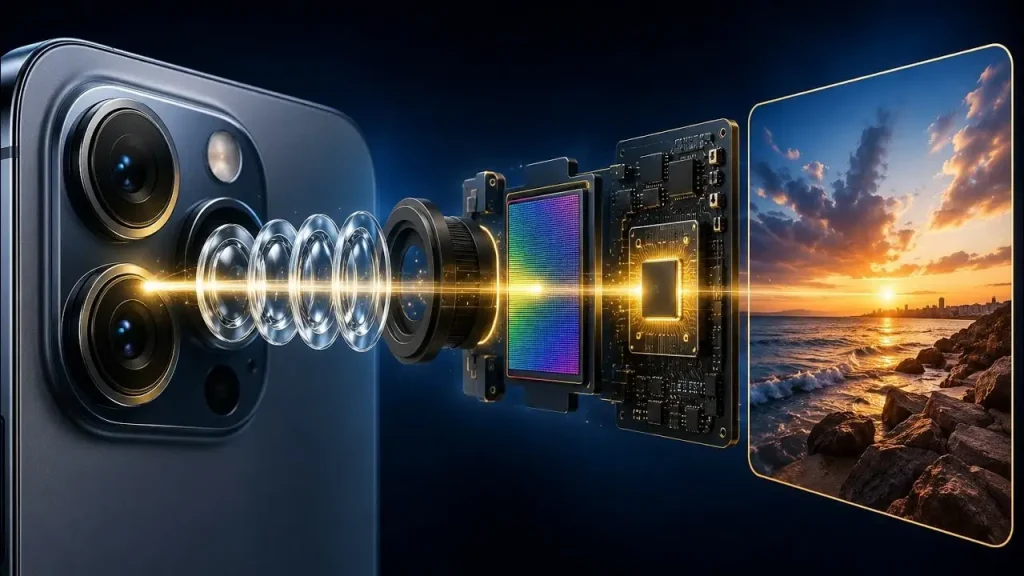
Modern phone cameras rely heavily on computational photography — software processing that happens after the sensor captures light. This includes noise reduction, HDR blending (combining multiple exposures for better detail), and AI-based scene optimization. This software processing often has a bigger impact on final image quality than the raw hardware specs alone.
Optical Image Stabilization (OIS)
OIS helps compensate for hand shake, especially in lower light or longer exposure situations, resulting in sharper images without needing a higher shutter speed that could otherwise darken the photo.
Lens Quality
The quality of the physical lens elements affects sharpness, distortion, and how well the camera handles bright light sources without unwanted glare or flare.
Autofocus System
A fast, accurate autofocus system ensures your subject is sharp, which matters more for photo quality in everyday shooting than sheer resolution.
Megapixels vs. Other Camera Specs: A Quick Comparison
| Factor | Impact on Photo Quality |
|---|---|
| Megapixel count | Mainly affects resolution/cropping ability, not overall quality |
| Sensor size | Major impact on light gathering, detail, and low-light performance |
| Aperture | Significant impact on low-light capability |
| Image processing software | Often the biggest factor in modern phone photography |
| OIS | Improves sharpness, especially in lower light |
| Lens quality | Affects sharpness and how the camera handles bright light |
When Higher Megapixels Do Matter
Megapixels aren’t completely irrelevant — there are specific situations where a higher count genuinely helps:
Cropping and Zooming After the Fact
If you frequently crop into photos afterward, or want to zoom digitally rather than relying on a dedicated telephoto lens, a higher resolution gives you more detail to work with before quality noticeably degrades.
Large-Format Printing
If you plan to print photos at large sizes, like posters or large framed prints, higher resolution helps maintain sharpness and detail at that larger scale.
Professional or Detail-Oriented Work
For specific use cases like product photography or detailed landscape shots meant for professional editing, having extra resolution to work with can be genuinely useful.
For most everyday phone photography — family photos, social media posts, quick snapshots — these specific scenarios apply far less often than marketing materials might suggest.

How to Actually Judge a Phone’s Camera Before Buying
Rather than relying on the megapixel number alone, consider looking into:
- Sample photos and reviews from trusted tech reviewers, ideally including low-light and everyday shooting conditions, not just ideal daylight scenarios.
- Sensor size specifications, which are sometimes listed alongside megapixel counts but require a bit more digging to find.
- Aperture value, since a lower f-number generally indicates better low-light capability.
- Whether the phone uses pixel binning, and what its default output resolution actually is in normal shooting conditions.
- Real-world video and photo comparisons, since specs alone can’t fully capture how a camera performs across different lighting and subject types.
If you’re comparing phones before an upgrade, apkmunna has buying guides that go beyond spec sheets to help you understand which camera features actually matter for different types of users.
Frequently Asked Questions
Is a 108MP camera better than a 12MP camera?
Not necessarily. A well-optimized 12MP camera with a larger sensor, wider aperture, and strong image processing can outperform a 108MP camera with a smaller sensor and weaker software, especially in real-world conditions.
Why do phone brands advertise such high megapixel counts if they don’t matter that much?
Megapixels are an easy, simple number for marketing and comparison shopping, even though they represent only one part of what actually determines photo quality.
Do more megapixels help with night photography?
Not directly, and in some cases, they can hurt night photography if it means smaller individual pixels that gather less light, unless the phone uses pixel binning to compensate.
Should I ignore megapixels completely when buying a phone?
Not completely — they matter for cropping and large prints — but they shouldn’t be your main deciding factor. Sensor size, aperture, and image processing generally matter more for everyday photo quality.
Do higher megapixels take up more storage space?
Yes, higher-resolution photos generally produce larger file sizes, which is worth considering if your phone has limited storage.
Conclusion
More megapixels don’t automatically mean better phone photos. While resolution has its place, particularly for cropping and large prints, factors like sensor size, aperture, image processing software, and stabilization typically have a far bigger impact on how good your everyday photos actually look. The next time you’re comparing phone cameras, it’s worth looking past the megapixel number on the spec sheet and focusing on the factors that genuinely shape image quality. For more practical, tech-buying guidance like this one, apkmunna is a solid resource to keep exploring before your next upgrade.